
Japan 🇯🇵
A harmonious blend of ancient temples, futuristic cities, and serene natural landscapes. Japan offers solo women a unique mix of safety, efficiency, and profound cultural experiences, from the buzz of Tokyo to the tranquility of a mountain onsen.
Safety Snapshot for Solo Women
What It’s Like to Travel Solo Here
Japan welcomes solo female travelers like a peaceful sanctuary where order feels empowering. Whether you're sipping matcha in Kyoto, riding clean subway lines in Tokyo, or wandering neon-lit streets after dark, locals are polite, helpful, quietly friendly, and keep respectful distance. Although violent crime is almost nonexistent, groping (“chikan”) can occur during Tokyo’s rush hours—women-only train cars offer safe alternatives. Many solo women say they feel safer here than back home. English signage is common in cities, though rural areas may require translation help. The vibe is calm, respectful, and surprisingly social once you break the silence. You’ll find warmth in cafés, convenience, and quiet joy in temples, izakayas, and ryokan baths alike.
Japan can be expensive, but careful planning makes it manageable. Transportation and accommodation are the biggest costs.
Budget
$60 - $80
Mid-Range
$100 - $150
Luxury
$250+
Pro Tip: A Japan Rail Pass can offer huge savings if you plan to travel between multiple cities.
Detailed Budget Breakdown
Accommodation
$30 - $100
Food
$20 - $50
Transport
$15 - $40
Activities
$10 - $50
Money-Saving Tips
- Eat at convenience stores (konbini) for surprisingly high-quality, affordable meals.
- Use night buses for long-distance travel to save on a night's accommodation.
- Look for 'free' days at museums and gardens.
- Stay in hostels or capsule hotels for a unique, budget-friendly experience.
Seasonal Pricing
Cherry Blossom (Mar-Apr)
Peak season. Extremely high prices and crowds. Book everything months in advance.
Autumn (Oct-Nov)
High season for autumn colors. Popular and can be pricey.
Summer (Jun-Aug)
Hot and humid. Fewer crowds and slightly lower prices.
Payment Methods
- While cards are widely accepted, Japan is still a cash-heavy society.
- Always carry enough Yen (JPY) for small temples, local shops, and food stalls.
- Tipping is not customary and can be considered rude.
Japan's transportation is world-renowned for its punctuality, cleanliness, and efficiency. It's incredibly safe and easy for solo women to navigate.
4+
Transport Options
Walking Safety
3
Ride Apps
varied
Local Fares
- Get a Suica or Pasmo IC card for seamless travel on all trains, subways, and buses.
- A Japan Rail Pass is essential if you're doing multiple long-distance trips.
- Trains and subways stop running around midnight.
Domestic Flights
Cost Range: $40 - $150
Booking Tips
- JAL and ANA offer special 'Experience Japan' fares for tourists, which are often cheaper.
- Peach is a budget airline great for shorter hops.
- Book well in advance for popular routes like Tokyo-Sapporo.
Solo Female Tips
- Airports are extremely safe, clean, and well-signed in English.
- Luggage delivery services (takkyubin) can send your large bags ahead to your next hotel.
- Airport limousines (buses) are a comfortable and easy way to get to your hotel.
City-Specific Transport
Tokyo
Methods: Subway (Metro & Toei), JR Yamanote Line
Cost: $2-8 per day
💡 The Yamanote Line is a loop that connects most major hubs, making it very useful for tourists.
Kyoto
Methods: Buses, subway, walking, bicycle
Cost: $5 for a day pass
💡 The bus network is extensive and the best way to reach many temples. A day pass is great value.
Long Distance
Shinkansen (Bullet Train) $80 - $250
The fastest and most famous way to travel between cities. Covered by the JR Pass.
Highway Buses $30 - $70
A comfortable and affordable alternative to trains, especially for overnight travel.
Local Transport
Subway/Trains $1.5 - $3 per trip
The primary way to get around cities. Incredibly efficient and clean.
Taxis $10 - $40 per trip
Expensive but very professional and safe. Doors open automatically.
Ridesharing
- Ride-sharing apps primarily function as taxi-hailing services.
- They are not as common or as cheap as in other countries.
- Public transport is almost always the better option.
Walking SafetyGood Safety
☀️ Daytime: Extremely safe everywhere.
🌙 Nighttime: Extremely safe, even in major entertainment districts. It's common to see women walking alone late at night.
Solo Female Advice:
- Look for women-only cars on trains during rush hour to avoid 'chikan' (groping).
- It's safe to ask for directions; police boxes (koban) are everywhere.
Japan offers excellent internet infrastructure, with widespread high-speed connections and numerous options for travelers, from pocket WiFi to tourist SIMs.
3
Providers
3
Data Plans
3
Purchase Locations
📶 WiFi & Internet Access
- - Most hotels and cafes offer fast, free WiFi.
- - Public WiFi is available at train stations and convenience stores but may require registration.
Connectivity Tips & Tricks
- Renting a pocket WiFi is often the most convenient and cost-effective option for heavy data users or groups.
- Purchase your SIM card or pocket WiFi online before your trip for pickup at the airport.
- A VPN is not generally necessary for accessing websites.
- Free WiFi apps like 'Japan Connected-free Wi-Fi' can be useful.
Entry Requirements
Passport Validity
Required
Must be valid for the entire duration of your intended stay.
Onward Ticket
Required
Proof of an onward or return ticket is officially required and may be checked by the airline or immigration.
Tourist Visa Options
Visa-Free Entry
Citizens of 68 countries can enter Japan visa-free for tourism purposes for up to 90 days (some exceptions apply).
Eligible Regions/Countries:
Important Policies
Overstay Penalties
Overstaying is a serious offense in Japan and can lead to hefty fines, imprisonment, and a ban on re-entry for 5-10 years.
Pro Tips for Travelers
- Fill out the 'Visit Japan Web' form online before your flight for smoother immigration and customs clearance.
- Keep your passport with you at all times, as it is a legal requirement for foreign visitors.
- Have the address of your first night's accommodation ready for the immigration form.
What Big Cities Are Like
Tokyo
A futuristic metropolis that's safe, spotlessly clean, and endlessly fascinating. Ideal for rooftop cafés, shrine rituals, solo dinners, and quiet subway rides. Crowds can overwhelm, but independence here empowers.
Kyoto & Osaka
Kyoto blends temple mornings with traditional teahouses; Osaka buzzes after dark with streetside food and a more casual vibe. Together, they offer polished history and spontaneous local energy.
Outside the Cities
Japan’s soul shows outside the urban grid—from bamboo forests in Arashiyama to mountain onsens and pilgrimage trails. English fades, transport slows, but hospitality grows. Homestays in temple towns and quiet countryside hospitality are gentle gifts for solo travelers seeking connection away from the crowds.
Cultural Norms & Local Tips
Remove shoes indoors
Expected in ryokan, temples, traditional restaurants.
Be quiet in public
Silence on trains and in public spaces is polite, appreciated local behaviour.
Bow to greet
A small bow speaks louder than words.
Carry small cash
Many restaurants and temples prefer yen notes (¥1,000–¥5,000).
Use women-only cars
Available on morning rush-hour trains in Tokyo and Osaka, clearly marked in pink.
Cities in Japan
Explore cities in Japan recommended by solo female travelers.
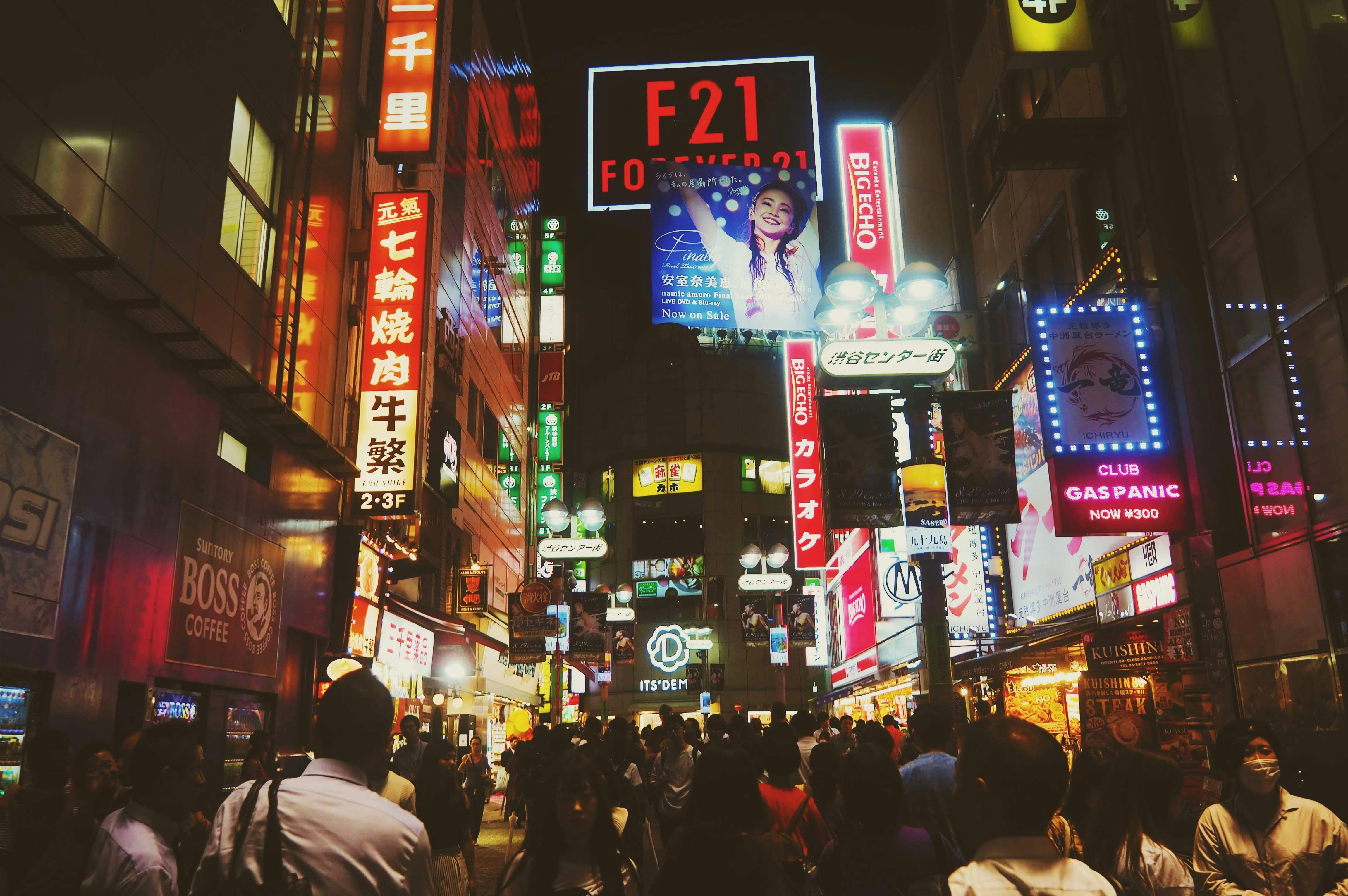
Tokyo, Japan
A dazzling megacity where ancient traditions and futuristic technology collide, offering endless exploration for the solo traveler.

Kyoto, Japan
Japan's former imperial capital, a city of serene temples, sublime gardens, traditional teahouses, and geishas.

Osaka, Japan
Japan's vibrant culinary capital, known for its dynamic nightlife, friendly locals, and the motto 'kuidaore' (eat until you drop).

Hakone, Japan
A stunning mountain resort town in the Fuji-Hakone-Izu National Park, famous for its hot springs (onsen), art museums, and views of Mount Fuji.
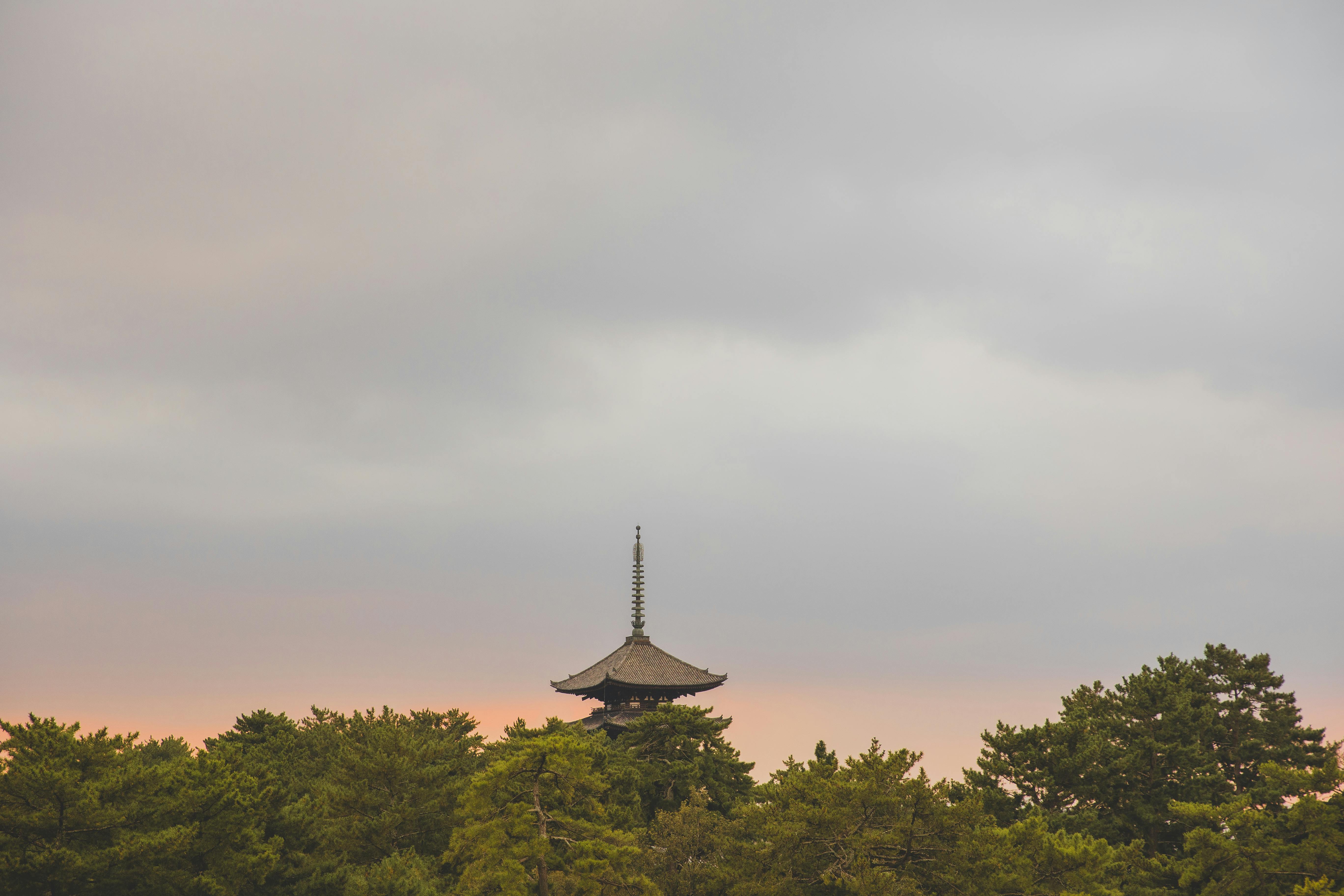
Nara, Japan
Japan's first permanent capital, a compact and charming city where sacred deer, considered messengers of the gods, roam freely among ancient temples and parks.
Women’s Healthcare & Support
Japan’s medical care is excellent—but costly without insurance. Here’s what female travelers should know:
Emergency Contraception
Readily available from city pharmacies (e.g. Postinor, windpas M), though stock may vary outside major urban areas.
Gynecology & Clinics
Seek English-speaking providers at international hospitals in Tokyo, Osaka, Kyoto.
Abortion & Reproductive Care
Legal under health/economic grounds at licensed clinics; pre-consultation is standard.
Support Resources
Contact your embassy/consulate, international hospital hotlines, or travel insurance providers for women’s health services.