
Philippines 🇵🇭
A nation of 7,000 islands where pristine beaches, terraced rice paddies, and some of the world's best diving spots await. The Philippines offers a unique blend of natural beauty and a famously warm, English-speaking culture that makes solo travel accessible and rewarding.
Safety Snapshot for Solo Women
What It’s Like to Travel Solo Here
The Philippines is often cited as one of the friendliest countries for solo female travelers. English is an official language, which eliminates communication barriers and makes it easy to connect with locals, who are known for their hospitality. The culture is a mix of Southeast Asian and Spanish-Catholic traditions, creating a relaxed yet respectful social environment. While the party scene is lively in places like Boracay and Siargao, it's generally not aggressive. The main challenges are navigating inter-island transport and occasional infrastructure issues like brownouts, but the stunning scenery and welcoming atmosphere more than make up for it. Women report feeling safe and rarely face harassment, though standard precautions in crowded cities like Manila are advised.
The Philippines is a very affordable destination, especially when compared to Western countries. Costs can be kept low by eating local food and using public transport.
Budget
$25 - $40
Mid-Range
$50 - $80
Luxury
$100+
Pro Tip: A budget of $40-50 per day is a comfortable amount for a solo traveler to enjoy a mix of activities, good food, and private rooms in guesthouses.
Detailed Budget Breakdown
Accommodation
$10 - $50
Food
$8 - $20
Transport
$5 - $15
Activities
$5 - $30
Money-Saving Tips
- Eat at 'carinderias' (local eateries) for cheap and authentic meals.
- Use jeepneys and tricycles for short distances.
- Travel during the shoulder seasons (May-Jun, Oct-Nov) for lower prices.
- Book flights between islands well in advance for the best deals.
Seasonal Pricing
High Season (Dec-Apr)
Peak tourist season with dry weather. Prices are at their highest.
Rainy Season (May-Nov)
Lower prices and fewer crowds, but be prepared for typhoons.
Christmas & Easter
The most expensive and crowded times to travel.
Payment Methods
- Credit cards are mainly accepted in major cities and high-end resorts.
- Always carry enough Philippine Pesos (PHP), especially on smaller islands.
- Inform your bank of your travel dates to avoid your card being blocked.
Navigating the Philippines involves a mix of flights, ferries, buses, and local transport like jeepneys and tricycles. It's an adventure in itself!
4+
Transport Options
Walking Safety
1
Ride Apps
varied
Local Fares
- Book domestic flights and ferries in advance, especially during peak season.
- Always have cash in small denominations for fares.
- Embrace 'Filipino time' – delays are common.
Domestic Flights
Cost Range: $20 - $100
Booking Tips
- Watch for 'Piso Fare' promos from Cebu Pacific for incredible deals.
- Book directly on airline websites to avoid third-party fees.
- Travel light to avoid excess baggage fees on budget airlines.
Solo Female Tips
- Major airports (Manila, Cebu) are safe and modern.
- For smaller island airports, arrange transport with your hotel in advance.
- Keep your passport and tickets easily accessible.
City-Specific Transport
Manila
Methods: Grab, LRT/MRT trains, Jeepneys
Cost: $1-5 per trip
💡 The train system is useful for avoiding the infamous traffic, but can be very crowded.
Cebu
Methods: Grab, Jeepneys, MyBus (for airport)
Cost: $1-4 per trip
💡 Traffic can be heavy; allow extra time for travel to the airport.
Long Distance
Ferries $10 - $50
Essential for inter-island travel. Options range from fast-crafts to overnight ferries with beds.
Buses $5 - $25
The primary way to travel within larger islands. Ceres and Victory Liner are major companies.
Local Transport
Jeepneys <$1
Colorful, iconic, and very cheap. The backbone of city transport.
Tricycles $1 - $3
Motorcycle with a sidecar for short trips. Agree on the fare before you go.
Ridesharing
- Grab is the dominant and most reliable ride-sharing app.
- Use GrabCar for safety and fixed pricing in major cities.
- The app is less common on smaller islands.
Walking SafetyModerate Safety
☀️ Daytime: Generally safe in tourist areas and business districts.
🌙 Nighttime: Stick to well-lit, busy streets. Avoid walking alone in quiet, unfamiliar areas.
Solo Female Advice:
- Be aware of your surroundings in crowded markets to avoid pickpockets.
- Dress modestly to avoid unwanted attention in more conservative areas.
Connectivity varies greatly between urban centers and remote islands. Major cities have reliable 4G/5G, but expect slower speeds in rural areas.
2
Providers
3
Data Plans
3
Purchase Locations
📶 WiFi & Internet Access
- - Free WiFi is common in cafes and hotels but can be slow.
- - Don't rely on public WiFi for important tasks.
Connectivity Tips & Tricks
- Globe and Smart are the two main providers; coverage can vary by island.
- Power outages (brownouts) are common; a power bank is essential.
- Download offline maps (Google Maps) before exploring remote areas.
- eSIMs are becoming more popular and can be purchased online before arrival.
Entry Requirements
Passport Validity
Required
Must be valid for at least 6 months upon arrival.
Onward Ticket
Required
Proof of an onward or return ticket is strictly required by airlines and immigration.
Tourist Visa Options
Visa-Free Entry
Citizens of over 150 countries can enter the Philippines visa-free for up to 30 days. This can be extended at an immigration office.
Eligible Regions/Countries:
Important Policies
Overstay Penalties
Overstaying can result in fines, detention, and deportation. Fines are approximately PHP 500-1000 per month of overstay, plus extension fees.
What Big Cities Are Like
Manila
A chaotic, sprawling metropolis. It's the main international gateway but can be overwhelming. Use ride-sharing apps and be mindful of your belongings in crowded areas.
Cebu City
A major hub in the Visayas region. It's more manageable than Manila and serves as a gateway to beautiful islands like Malapascua and Bantayan. It has a mix of historical sites and modern malls.
Davao City
Often cited as one of the safest cities in the Philippines. Located in Mindanao, it's known for its disciplined environment, clean air, and proximity to Mount Apo, the country's highest peak.
Outside the Cities
Life outside the cities is where the Philippines truly shines. The vibe is laid-back, community-oriented, and deeply connected to nature. Here’s what to expect:
Island Life
In places like Palawan and Siargao, days revolve around the tides, island-hopping tours, and sunset gatherings. It’s slow-paced and very social.
Mountain Provinces
In areas like Banaue and Sagada, you'll find ancient rice terraces and a strong indigenous culture. The focus here is on hiking and respecting local traditions.
Infrastructure
Wi-Fi can be spotty and power outages (brownouts) are common. Embrace the digital detox but have power banks ready.
Cultural Norms & Local Tips
Embrace 'Bahala Na'
A common Filipino expression meaning 'whatever happens, happens.' It reflects a relaxed, optimistic approach to life's uncertainties. Let go of rigid plans and go with the flow.
Respect for Elders
Show respect to older individuals by using 'po' and 'opo' when speaking. It's a sign of courtesy that is deeply appreciated.
Use Ride-Sharing Apps
In cities like Manila and Cebu, Grab is the most reliable and safe way to get around. It provides upfront pricing and helps avoid taxi scams.
Karaoke is a National Pastime
Filipinos love to sing. Don't be surprised if you're invited to a karaoke session—it's a great way to bond and have fun.
Family is Central
Filipino culture is very family-oriented. You'll often be asked about your family, and showing interest in theirs is a great way to connect.
Bargaining at Markets
It's acceptable to haggle politely at local markets ('palengke'). Always do it with a smile. In malls and department stores, prices are fixed.
What Women Say
"I felt so welcomed in the Philippines. As a solo woman, I was worried, but the locals were incredibly kind and always willing to help. I made friends so easily on the island-hopping tours."
— Sarah, UK
"Navigating between islands was a bit of a challenge, but so worth it. The beauty of Palawan is unreal. Just be patient with the ferries and flights!"
— Maria, Spain
Cities in Philippines
Explore cities in Philippines recommended by solo female travelers.
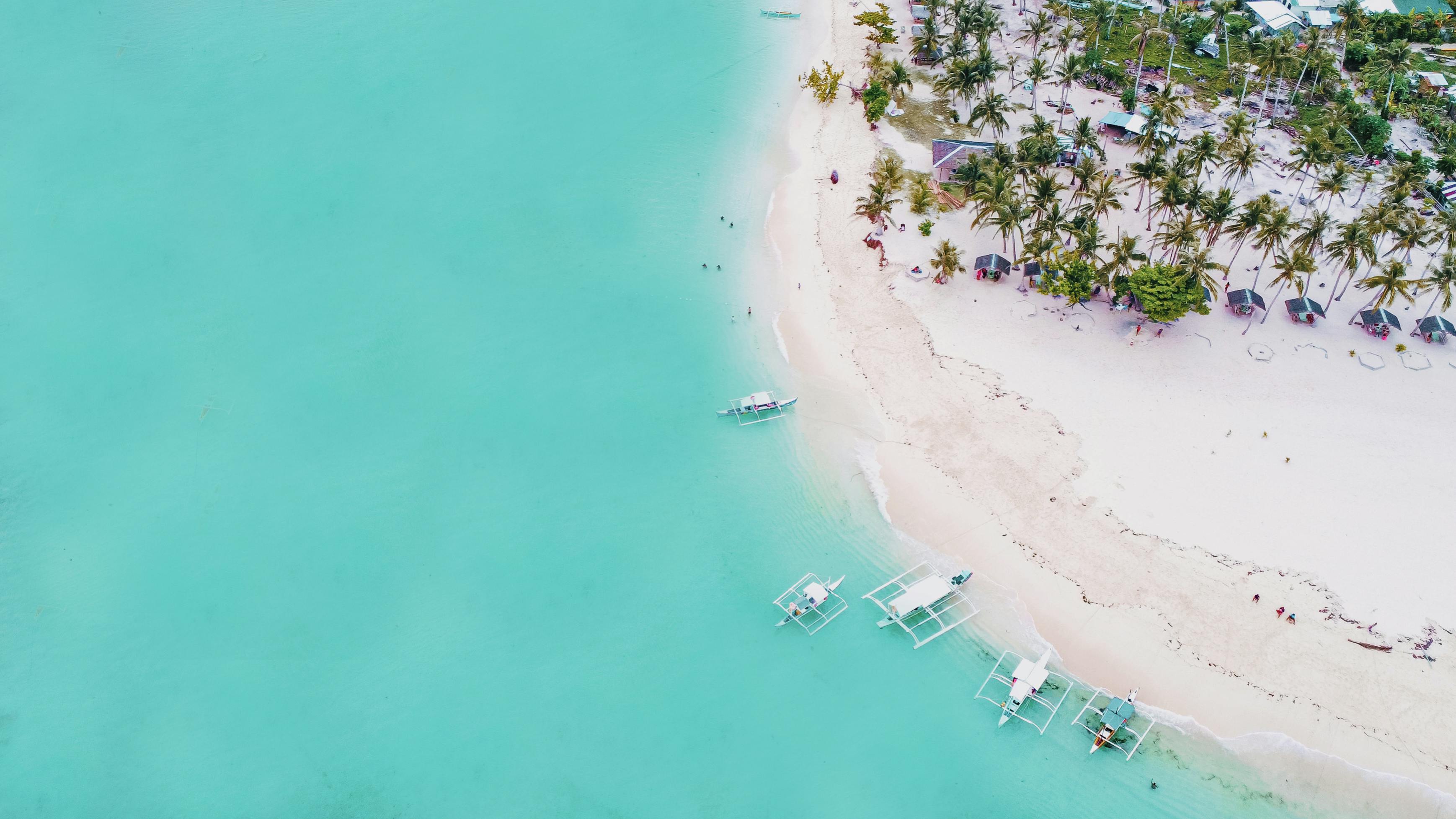
Siargao, Philippines
The surfing capital of the Philippines, known for its laid-back island vibe, pristine lagoons, and world-class waves.

El Nido, Philippines
Famous for its stunning limestone cliffs, hidden lagoons, and turquoise waters, El Nido is a paradise for island-hoppers.

Cebu, Philippines
A bustling metropolitan island that serves as the gateway to the Visayas, offering both city life and incredible natural wonders.
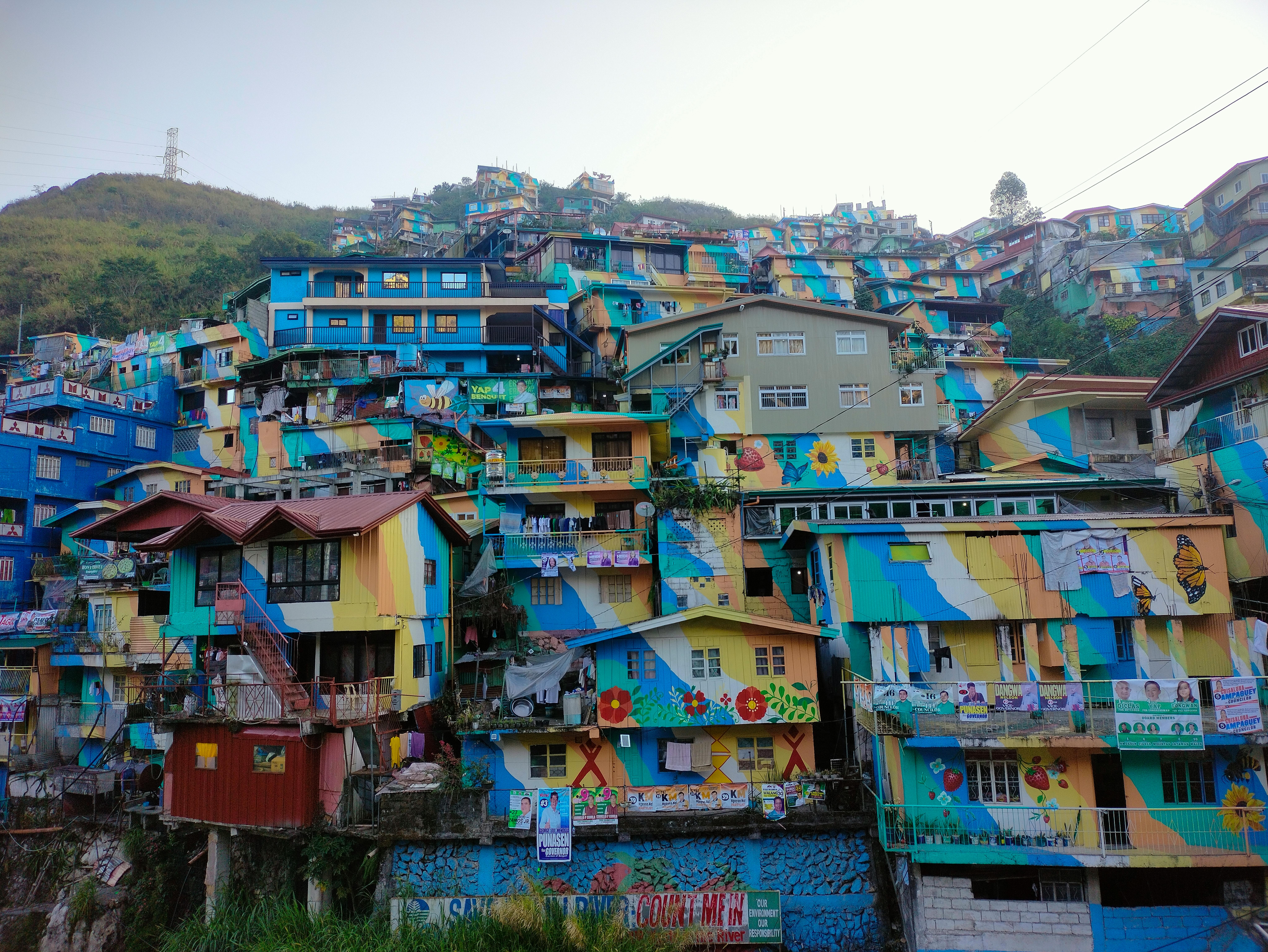
Baguio, Philippines
The 'Summer Capital of the Philippines,' known for its cool climate, pine trees, and vibrant arts scene in the Cordillera mountains.

Sagada, Philippines
A serene mountain town in the Cordilleras, famous for its hanging coffins, cave systems, and cool, pine-scented air.
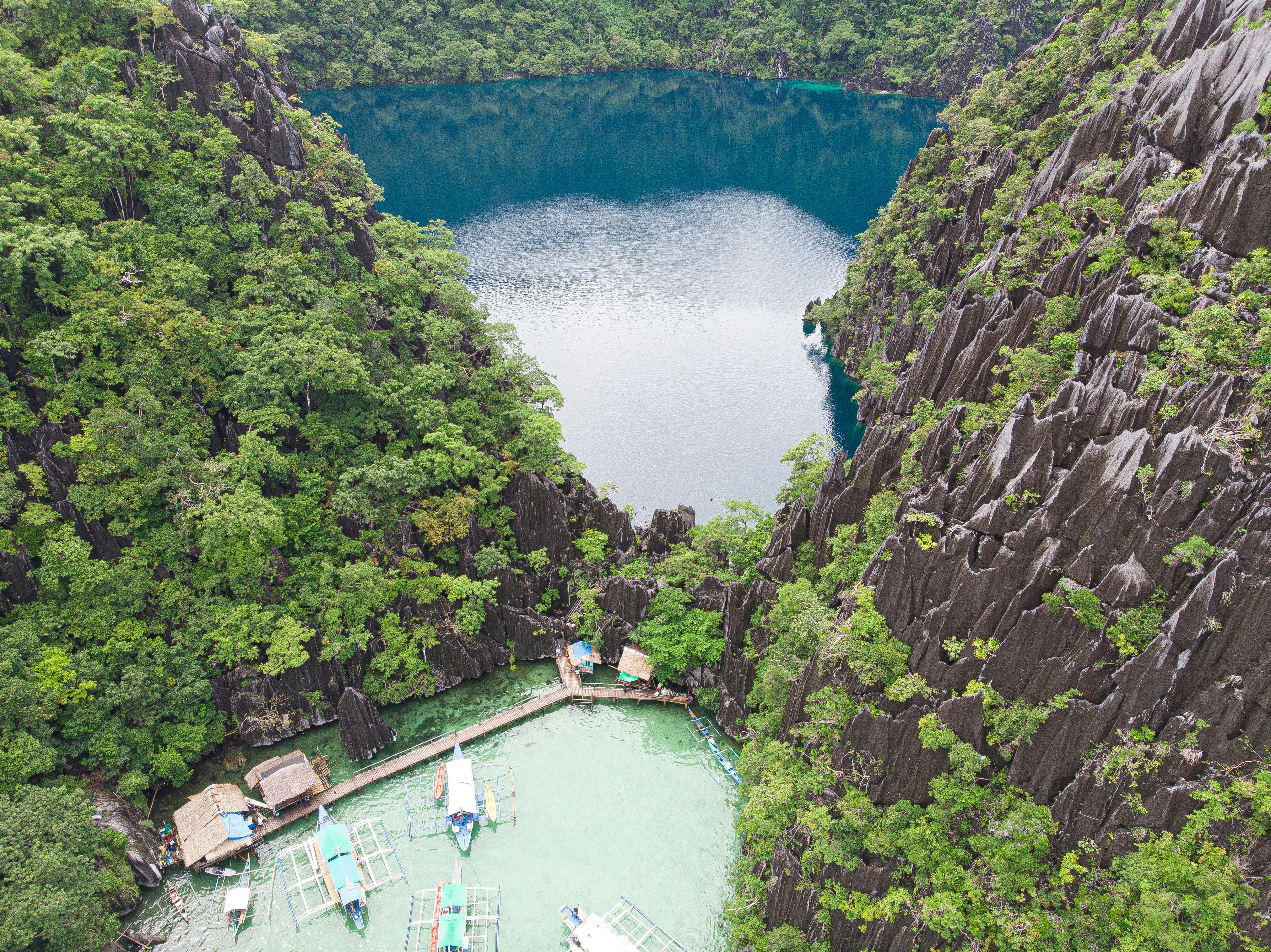
Coron, Philippines
A world-class destination for wreck diving, with stunning lagoons and crystal-clear freshwater lakes nestled in limestone cliffs.

Vigan, Philippines
A beautifully preserved Spanish colonial town and a UNESCO World Heritage site, famous for its cobblestone streets and horse-drawn carriages.

Banaue, Philippines
Home to the magnificent 2,000-year-old rice terraces, often called the 'Eighth Wonder of the World,' carved into the mountains by the Ifugao people.

Davao City, Philippines
One of the safest and largest cities in the world by land area, Davao is a gateway to Mindanao's natural wonders, from Mount Apo to the Philippine Eagle Center.

Puerto Princesa, Philippines
The capital of Palawan and home to the UNESCO World Heritage site, the Puerto Princesa Subterranean River National Park, one of the New7Wonders of Nature.
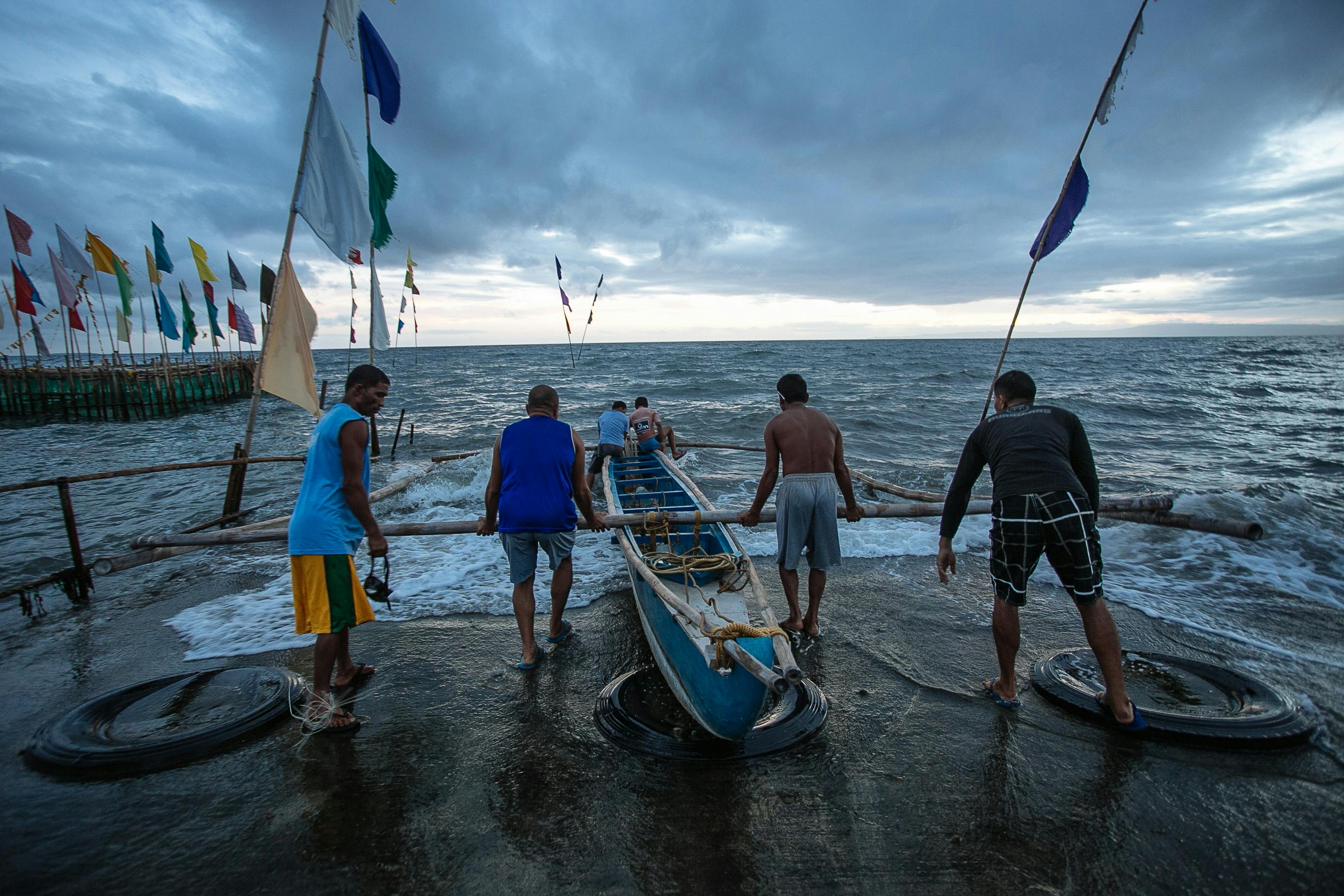
Dumaguete, Philippines
Known as 'The City of Gentle People,' Dumaguete is a charming university town with a beautiful seaside boulevard, and a gateway to Apo Island's marine sanctuary.
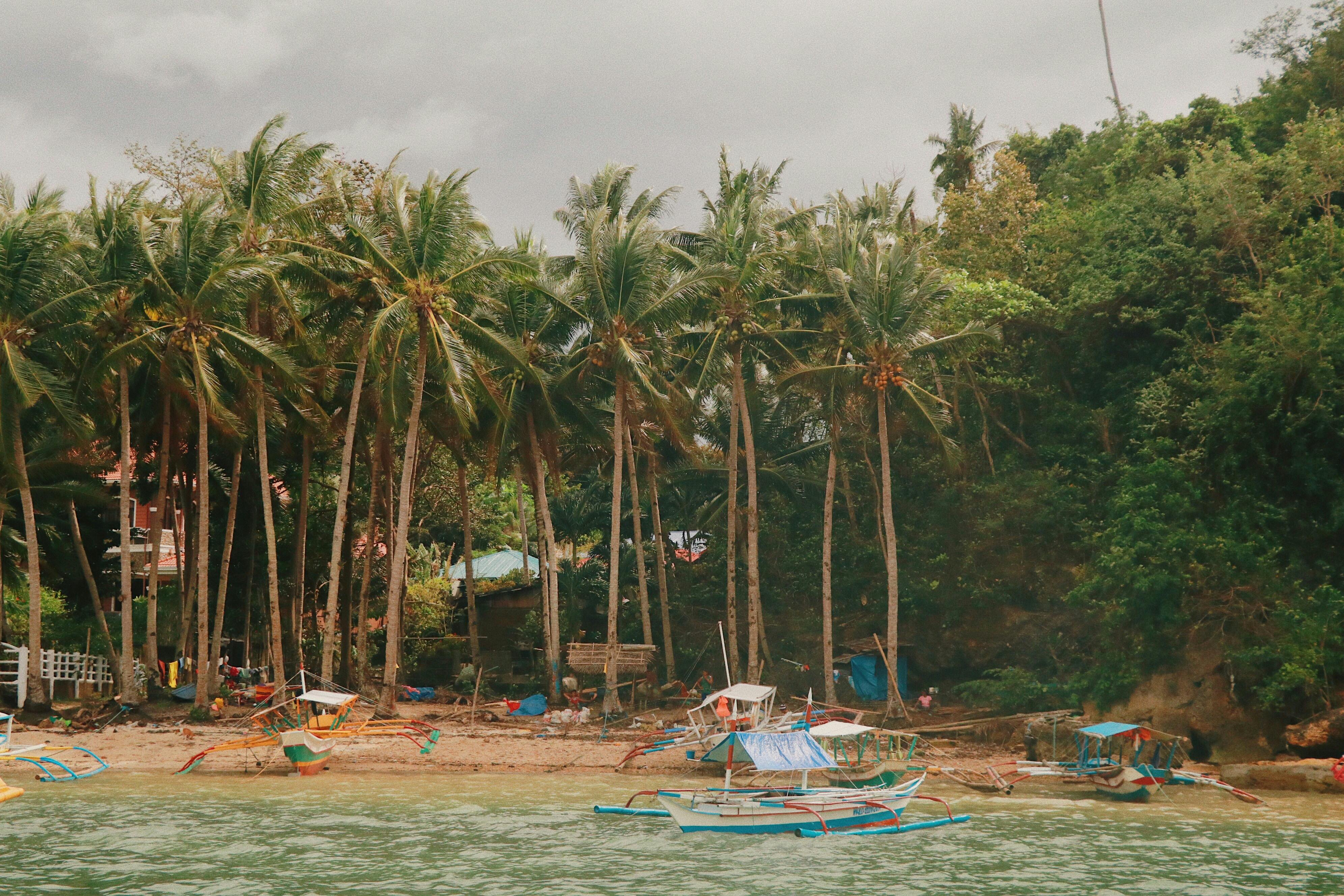
Iloilo City, Philippines
Dubbed the 'City of Love,' Iloilo is a blend of old-world charm and modern development, known for its heritage mansions, delicious food, and friendly locals.

Batanes, Philippines
The northernmost and smallest province, Batanes is a breathtaking landscape of rolling hills, dramatic cliffs, and traditional stone houses, often likened to the Scottish Highlands.

Bacolod, Philippines
The 'City of Smiles,' Bacolod is the heart of sugar country, known for its grand ancestral mansions, delicious pastries, and the colorful MassKara Festival.
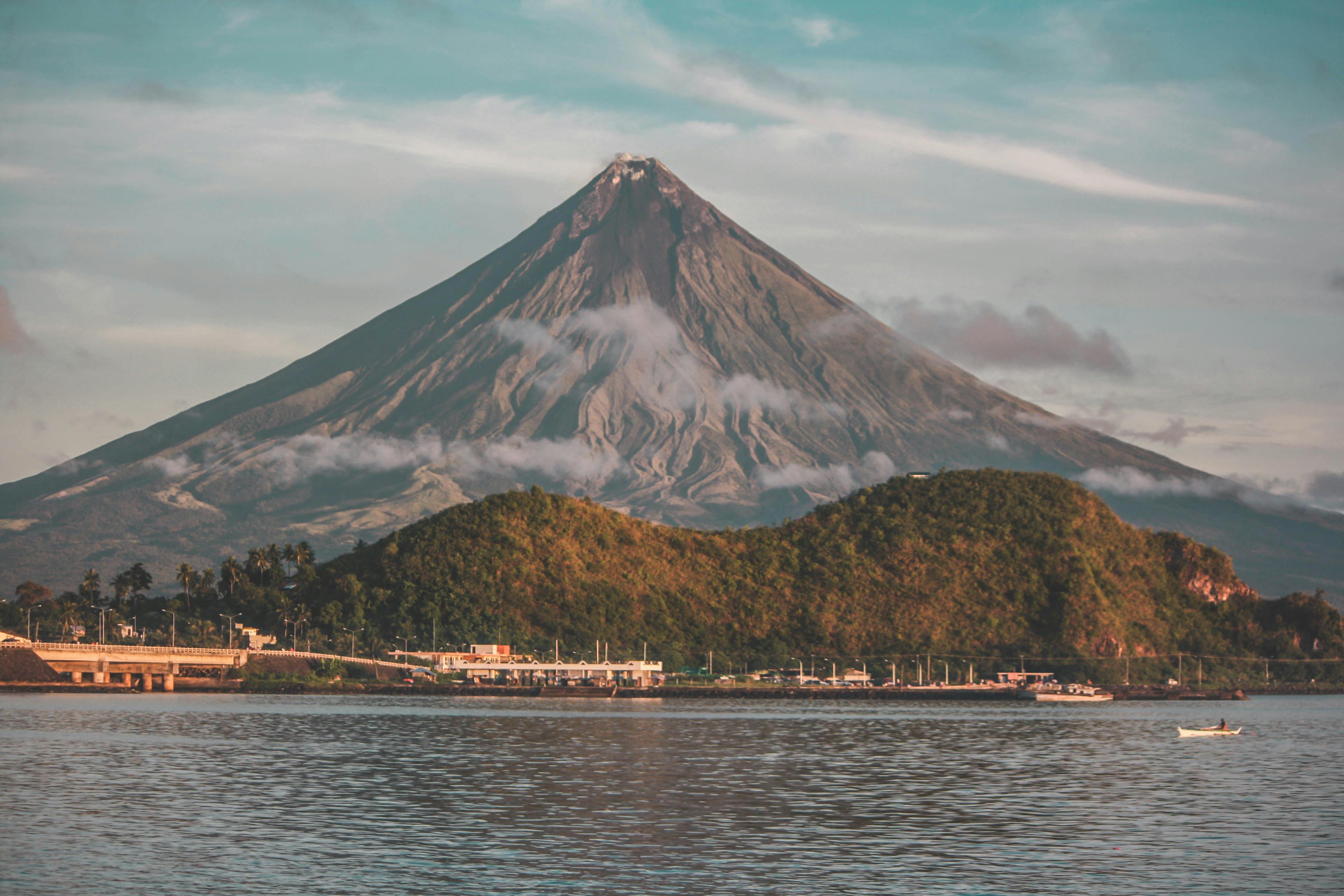
Legazpi, Philippines
The gateway to the Bicol region, offering dramatic views of the perfectly-coned Mayon Volcano, thrilling ATV adventures, and spicy local cuisine.
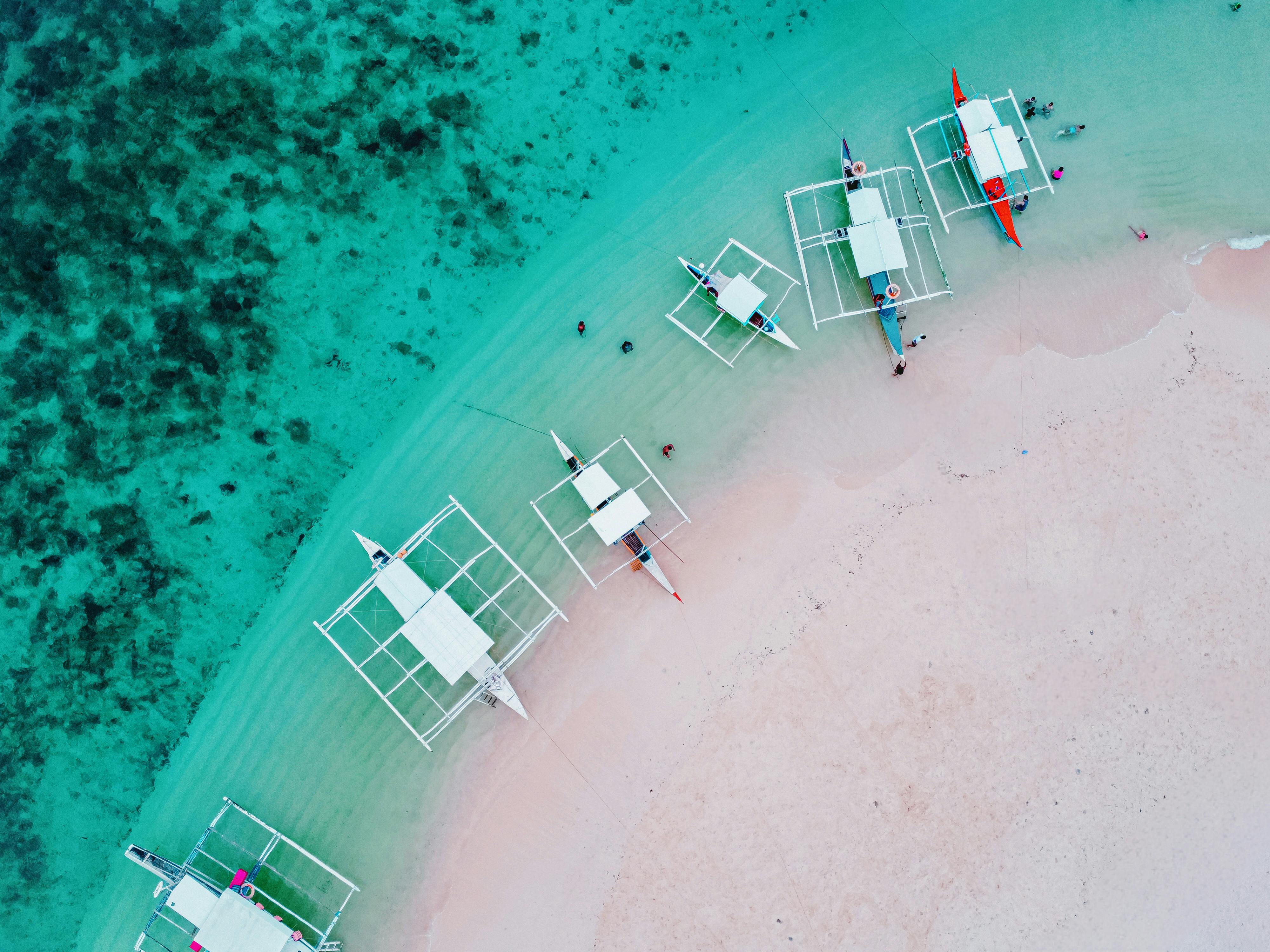
General Luna, Philippines
The vibrant heart of Siargao, a world-renowned surfing mecca with a bohemian vibe, stunning lagoons, and a thriving community of travelers and locals.
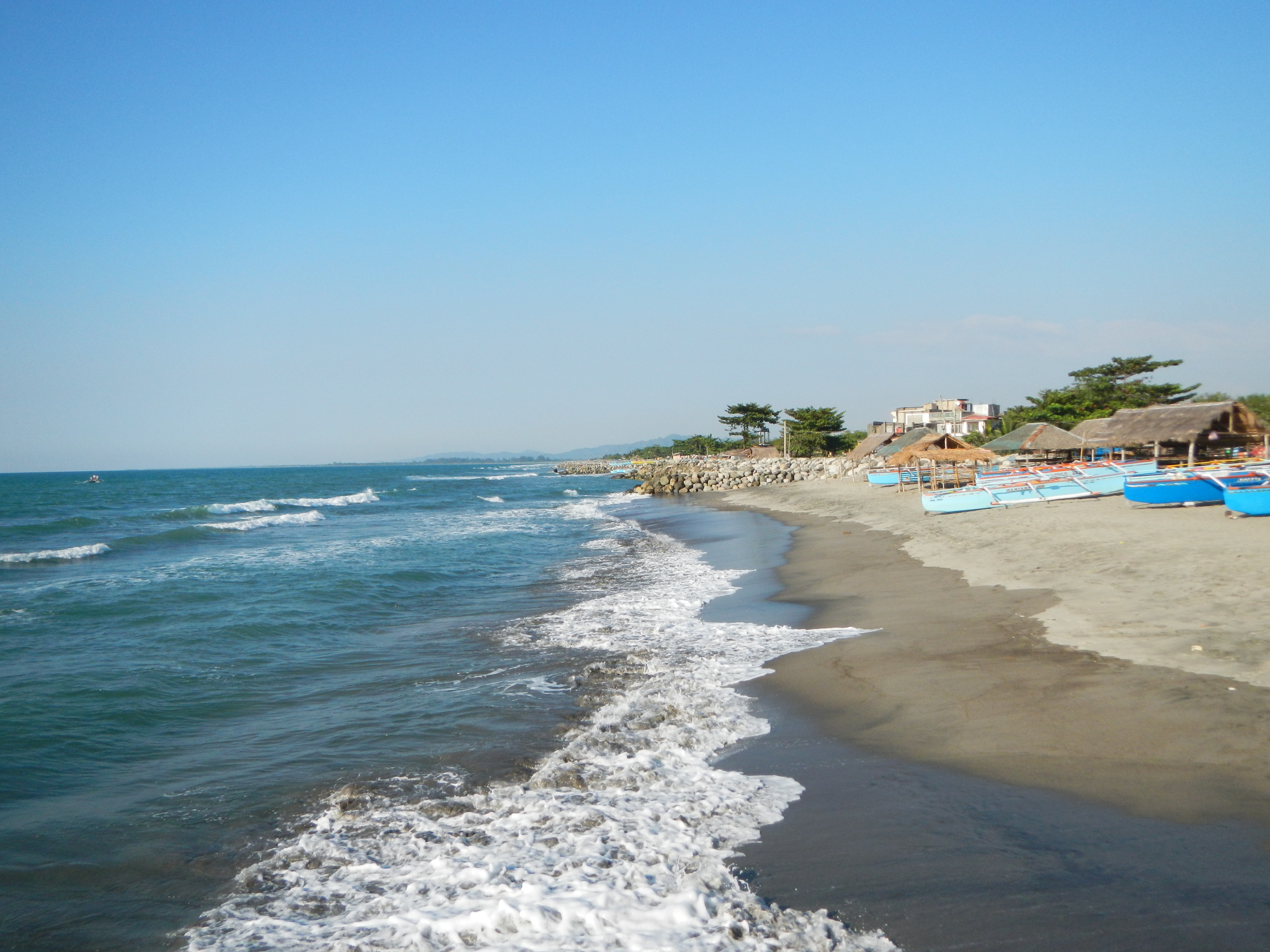
San Juan, Philippines
The surfing and party capital of Northern Luzon, 'La Union' or 'Elyu' is a weekend hotspot for Manila's youth, offering great waves, cool cafes, and a lively social scene.

Moalboal, Philippines
A small coastal town on the island of Cebu, world-famous for its incredible 'sardine run,' a massive bait ball of millions of sardines that you can swim with right off the shore.

Port Barton, Philippines
A sleepy, laid-back fishing village that's often described as 'what El Nido was like 20 years ago.' It's a peaceful alternative for those seeking quiet beaches and a slower pace.

Siquijor, Philippines
The 'Island of Fire,' shrouded in mystic traditions of witchcraft and healing, Siquijor offers stunning waterfalls, quiet beaches, and a unique spiritual atmosphere.
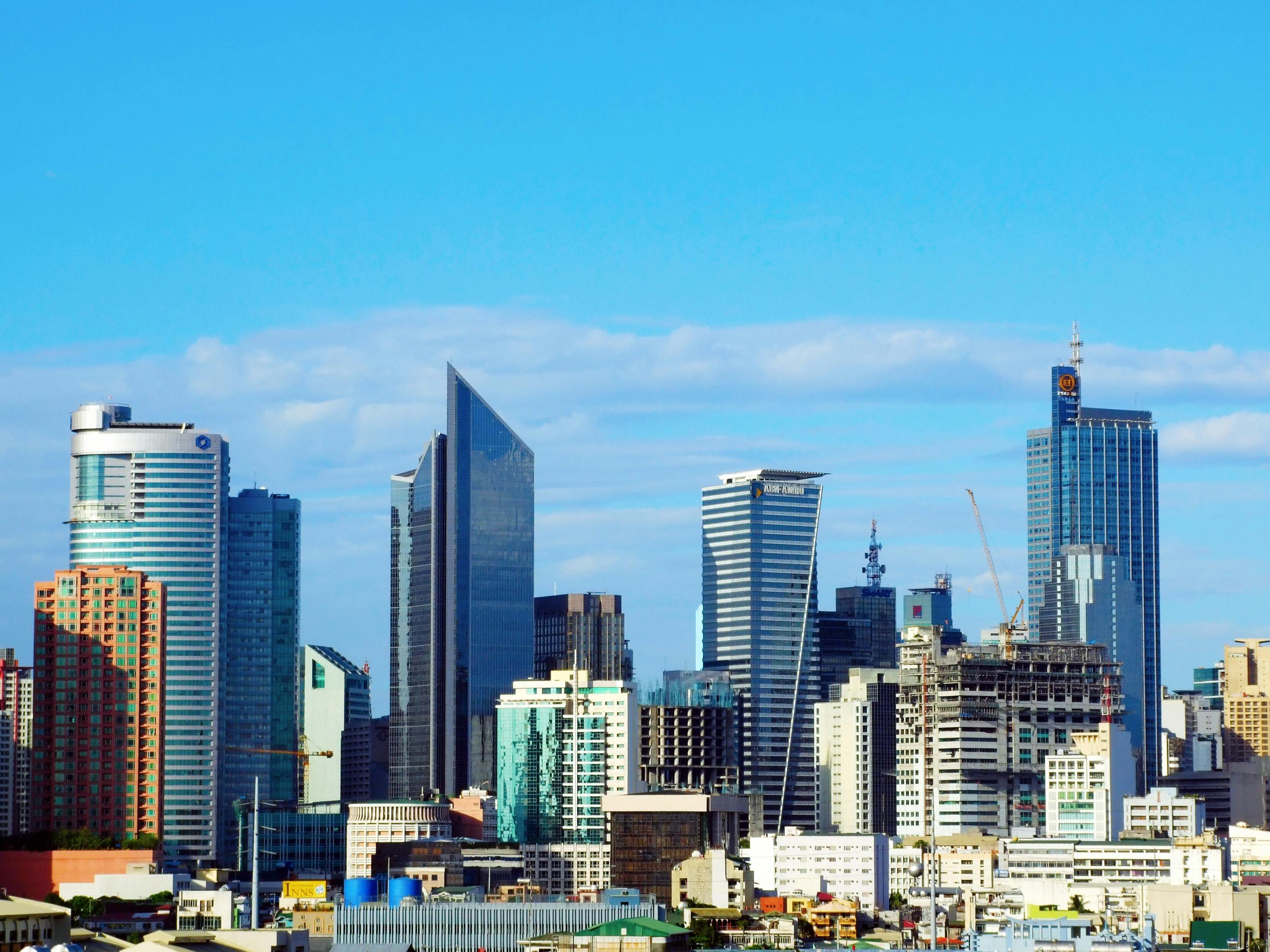
Manila, Philippines
The chaotic, beating heart of the Philippines, where Spanish colonial history meets modern urban sprawl. A city of incredible food, music, and resilient people.

Tagaytay, Philippines
A popular weekend getaway from Manila, offering a cool climate and stunning panoramic views of Taal Volcano and Lake.

Rizal, Philippines
A province just east of Manila, offering a quick escape into nature with its mountains, waterfalls, and a growing arts scene.
Women's Healthcare in the Philippines
Access to reproductive healthcare can be challenging due to the country's strong Catholic influence. While the 'Responsible Parenthood and Reproductive Health Act of 2012' guarantees access to contraception, cultural and religious beliefs can create barriers, especially in rural areas.
Contraception Availability
Mixed
Emergency Contraception
Prescription needed
Abortion Legality
Illegal, with no exceptions
Menstrual Products
Easy to find
Emergency Hotlines
Emergency Information
Solo Meetups & Local Experiences
Girls Who Travel Philippines
A Facebook community for women travelers to share tips and organize meetups within the Philippines.
DIY Travel Philippines
A massive group for budget-conscious travelers to share itineraries and find travel buddies for specific trips.
Couchsurfing Hangouts
Use the Couchsurfing app's Hangouts feature in cities like Manila and Cebu to meet locals and travelers for spontaneous activities.
What to Pack for the Philippines
Clothing
- Lightweight, breathable fabrics (cotton, linen)
- Swimsuits and a cover-up
- A light rain jacket or poncho
- A scarf or sarong for covering up at churches
Footwear & Gear
- Waterproof sandals or flip-flops
- Aqua shoes for rocky beaches
- A reliable dry bag for boat trips
- Waterproof phone case
Health & Safety
- Reef-safe sunscreen (SPF 30+)
- Insect repellent with DEET
- Basic first-aid kit
- Portable water filter or purification tablets
Technology
- Power bank (essential for brownouts)
- Universal travel adapter (Type A, B, C)
- Unlocked phone for a local SIM card (Globe or Smart)